Piper Rockelle’s grandmother publicly supports her OnlyFans debut and the controversial chapter in her influencer career

Updated: Feb 23
16 February 2026
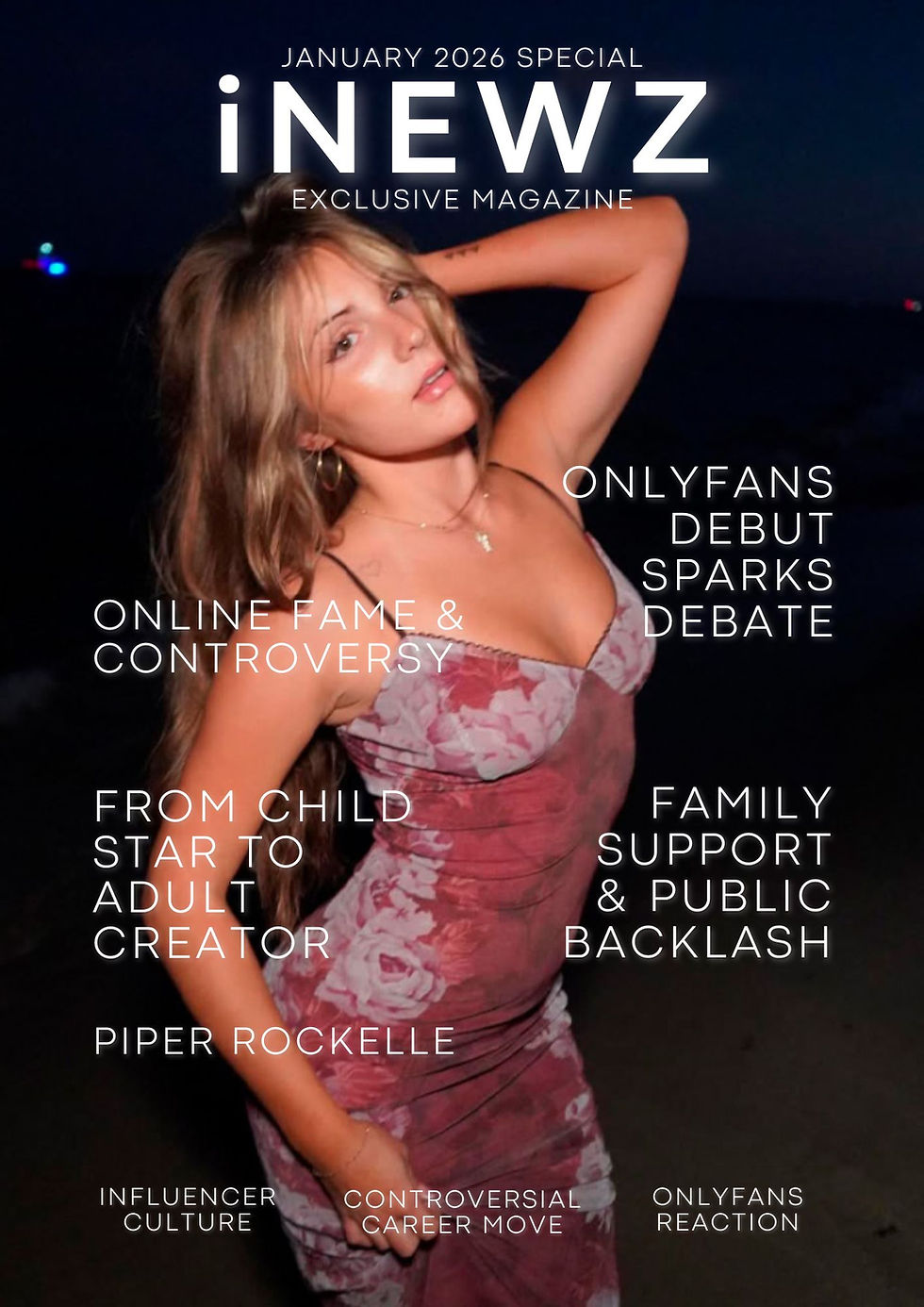
Piper Rockelle, the former child star and social media personality whose rise to fame began on YouTube and TikTok at a very young age, has once again found herself at the center of public discussion, this time not just because of her career choices but because of her grandmother’s unexpected reaction to a decision that has sparked both admiration and controversy across the internet. The 18-year-old content creator, who first became known for her videos featuring friends in a group known as Piper Squad, has taken a bold turn in her career by launching an OnlyFans account on January 1, 2026, a move that drew intense online attention and prompted a surprising show of support from her grandmother, Donna Healy Smith.
Rockelle’s OnlyFans debut was part of a broader pivot she made after turning 18 in August 2025, a milestone that gave her the legal autonomy to explore new avenues of content creation that she had long teased to her audiences. According to reports, Rockelle’s launch on the adult platform generated enormous early earnings with claims that she made as much as $2.9 million in under 24 hours though those figures were briefly showcased and subsequently removed from her online profiles.
The decision to join OnlyFans, a subscription-based platform widely associated with adult content, provoked widespread debate online. Critics expressed concern that Rockelle’s longstanding influence on younger fans many of whom first saw her as a tween creating playful, age-appropriate videos might translate into undue influence or glamourization of adult content. Some commentators worried about the message such a high-profile transition sends to teens and tweens who have tracked her evolution since early childhood.
In an interview that aired on IMPACT x Nightline, Rockelle’s grandmother, Smith, offered a notably supportive perspective, painting her granddaughter’s career move as a natural progression rather than a problematic departure from her earlier work. Smith emphasized that she views Rockelle’s shift into adult content creation as simply the next step in her life as an adult, framing it in terms of independence and opportunity rather than scandal. Her public endorsement stood in contrast to the criticism circulating online and illustrated a familial backing that defied many expectations.
The grandmother’s reaction was more than just a private family sentiment it was a public affirmation that resonated with many of Rockelle’s supporters and critics alike. Smith praised her granddaughter’s efforts, highlighting that Rockelle’s success on the platform allowed her to provide substantial financial support to the family, including gifting her grandmother a new car and contributing toward her retirement security. This suggestion that the influencer’s choices were not only personally empowering but materially beneficial added complexity to the online conversation, complicating the often simplistic narratives that surround influencers who pivot into adult entertainment.

Rockelle herself has been unapologetic about her journey and the choices that have defined this new phase of her career. In prior interviews she has framed the criticism she receives as part of the territory of online fame, asserting that she thrives on the attention both positive and negative and has embraced the opportunity to chart her own path now that she is legally an adult. Despite the criticism, she has pushed back against detractors who suggested she should conform to traditional expectations about how former child influencers ought to behave after reaching adulthood.
The public debate over Rockelle’s OnlyFans move has extended beyond questions of earnings and personal choice to underscore broader tensions about how social media fame intersects with youth, identity and autonomy. Rockelle has previously opened up about the challenges of growing up in the spotlight, noting that early fame made it impossible to trust anybody and shaped her perception of relationships and career prospects. Her entry into OnlyFans has therefore been seen by some of her followers and critics as a continuation of the complex negotiation she has been engaged in with her own public image since childhood.
Adding another layer to the ongoing conversation, Rockelle’s career history includes a contentious chapter involving a 2022 lawsuit filed by former members of the Piper Squad against her mother, Tiffany Smith. About a dozen former collaborators alleged emotional abuse and other issues, and the lawsuit was later settled, drawing renewed scrutiny as a Netflix docuseries called Bad Influence: The Dark Side of Kidfluencing highlighted the pressures and controversies of young influencer culture. Rockelle has described parts of that experience with frankness, even as she continues to defend her mother and her own autonomy in the spotlight.
Despite the polarizing nature of her OnlyFans career, many of Rockelle’s fans have remained staunch supporters, celebrating her financial success and applauding the openness with which she has discussed stepping into adulthood on her terms. Others remain critical, especially given her longstanding reputation as a creator originally known for content aimed at young audiences. The discussion has become emblematic of a larger cultural conversation about the responsibilities of influencers, the evolution of online celebrity and the often unpredictable trajectories that digital fame can produce.
Through it all, the support of her grandmother has stood out as a particularly striking component of the story a voice of familial affirmation in a moment that many outsiders have viewed through the lens of controversy or moral judgment. Smith’s comments underscore that, for Rockelle and those closest to her, the OnlyFans chapter represents a choice deeply rooted in personal agency, family loyalty and the economic realities of a digital creator’s career in the 21st century.


Comments