Creator Burnout Is Not a Motivation Problem. The Posting System May Be Broken

A creator can love the work and still dread opening the app. The camera roll is full, the draft folder is crowded and every quiet hour begins to feel like a missed opportunity. That experience is often described as a motivation problem. Research on creator burnout points toward something more complicated: a job with unstable rewards, constant public evaluation and no obvious moment when the workday is finished.
A 2026 study in New Media & Society examined creator accounts, media coverage and interviews with content creators to understand how burnout is discussed and experienced. The pressures described around creator work include relentless production, platform dependence and the emotional demand of turning the self into something continuously visible. Those conditions cannot be solved by a prettier planner or a motivational quote alone.

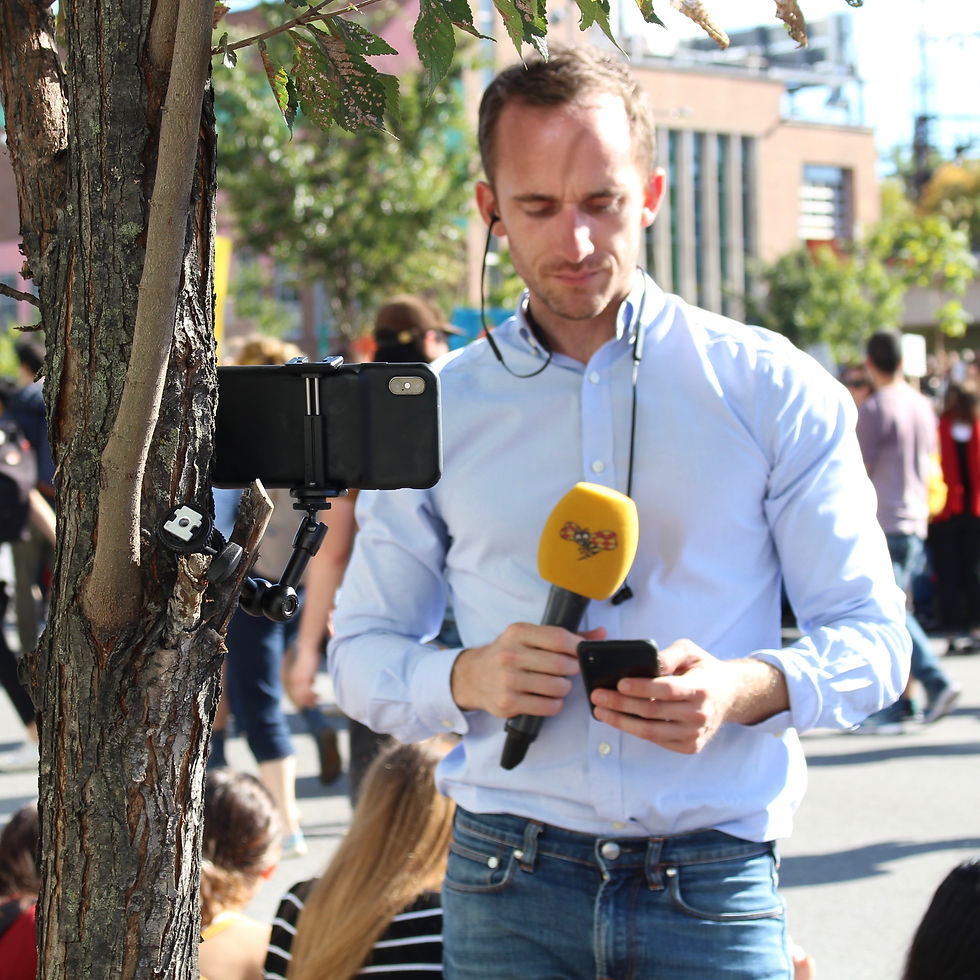
Content work becomes more sustainable when production has an end point instead of following the creator through every hour. Image: Kuba Bożanowski / CC BY 2.0
The first useful change is separating production from presence. Filming, editing, posting, replying and checking performance are different tasks, even when a phone makes them look like one activity. Put them into distinct blocks. A creator might film twice a week, edit on two afternoons and review comments during a set window. The exact schedule matters less than giving each task a beginning and an end.
Next, define a minimum viable rhythm. That is the schedule a person can maintain during an ordinary, imperfect week, not the burst they can survive during a launch. If three careful posts are manageable, a promise of fourteen is not ambition. It is debt. A sustainable baseline leaves room for illness, family, paid work and the simple fact that a good idea sometimes needs time before it is ready.
Batching can help, but only when it reduces decisions. Recording six videos while exhausted creates a different pile of unfinished labor. A better batch has one theme, a short shot list and a stopping time. Reuse the setup, then change the opening, example or conclusion for each post. The goal is not making every video identical. It is protecting creative energy from being spent on the same setup choices again and again.
Metrics need boundaries too. Performance data can teach a creator which topics hold attention or bring useful search traffic. Refreshing the dashboard every few minutes rarely adds information. Choose review times, compare several posts rather than one and record the lesson in plain language. “Tutorials keep viewers longer” is actionable. “This number proves everyone is bored of me” is a feeling pretending to be analysis.
Money pressure can make rest feel unsafe. Brand deals, affiliate income and platform payouts are unpredictable, which encourages creators to keep every channel active at once. Understanding how influencer brand deals work can reduce some uncertainty, especially when contracts, deliverables and payment dates are written clearly. A basic income calendar and an emergency buffer do more for creative freedom than another app notification.
Audience closeness is valuable, but access still needs limits. Decide which messages require a response, which questions can become a future post and which comments should be ignored or moderated. A creator is not dishonest for keeping parts of life offline. The most intimate formats, including get ready with me videos, feel personal because they use familiar conversation. They do not require surrendering every private detail.
Burnout can also involve depression, anxiety, sleep problems or other health concerns. A scheduling system is not medical treatment. When distress persists, interferes with daily life or creates a sense of danger, support from a qualified health professional matters. Friends, managers and collaborators can help by noticing changes without turning the creator’s struggle into content of its own.
The strongest posting system is not the one that produces the most material this month. It is the one that lets a creator remain curious next year. Build around a realistic rhythm, clearer work blocks, deliberate metric reviews and permission to be unavailable. Audiences can feel when a person still has something to say. Protecting that voice is not stepping away from the business. It is how the business survives.


Comments